Language
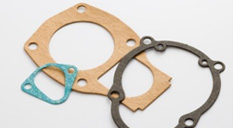
Mineral fiber rubber gaskets are engineered sealing solutions designed for high-temperature and high-pressure applications. These gaskets are composed of a blend of mineral fibers and rubber compounds, providing exceptional resilience, durability, and resistance to extreme conditions. Commonly used in industrial settings such as power plants, refineries, and chemical processing facilities, they ensure reliable sealing in flanged connections, boilers, and exhaust systems. Their unique composition allows them to withstand thermal cycling, corrosive environments, and mechanical stress, making them a preferred choice for critical sealing tasks.
Below is a comprehensive table outlining the technical parameters of mineral fiber rubber gaskets. These specifications are based on industry standards and rigorous testing to ensure optimal performance.
| Parameter | Value | Testing Standard |
|---|---|---|
| Material Composition | Mineral fibers, synthetic rubber, and fillers | ASTM F104 |
| Temperature Range | -40°F to 1500°F (-40°C to 815°C) | ASTM E831 |
| Density | 1.5 - 2.0 g/cm³ | ASTM D792 |
| Compression Set | ≤15% at 70°F (21°C) | ASTM F36 |
| Tensile Strength | ≥1000 psi | ASTM D412 |
| Chemical Resistance | Resistant to acids, alkalis, and hydrocarbons | ASTM D471 |
| Thickness Range | 1/32 inch to 1/4 inch (0.8 mm to 6.4 mm) | Customizable |
| Color | Gray or black, depending on formulation | Visual inspection |
These gaskets are versatile and suitable for various industrial applications. Their ability to handle extreme conditions makes them ideal for:
For instance, in power generation plants, mineral fiber rubber gaskets are used in steam lines to prevent leaks and maintain system integrity under cyclic thermal loads.
What are the primary advantages of using mineral fiber rubber gaskets over other types?
Mineral fiber rubber gaskets offer superior thermal stability, excellent recovery after compression, and resistance to a wide range of chemicals. Unlike plain rubber gaskets, they can withstand much higher temperatures without degrading, and compared to metallic gaskets, they provide better conformability to uneven surfaces, reducing the risk of leakage.
How do I select the right thickness for my application?
The thickness depends on factors like flange surface condition, bolt load, and operating pressure. For standard flanges with moderate pressure, 1/16 inch to 1/8 inch is common. Thicker gaskets (e.g., 1/4 inch) are used for highly irregular surfaces or high-vibration environments. Consult engineering specifications or a supplier for precise recommendations.
Are mineral fiber rubber gaskets safe for use in food processing or pharmaceutical industries?
While they are generally non-toxic and asbestos-free, specific formulations may not meet FDA or USP standards for direct food or pharmaceutical contact. Always verify the material certifications and opt for FDA-compliant versions if required for such applications.
Can these gaskets be reused after disassembly?
It is not recommended to reuse mineral fiber rubber gaskets once they have been compressed and exposed to operating conditions. The compression set and potential damage during removal can compromise their sealing performance. Always install new gaskets during maintenance to ensure reliability.
What maintenance practices extend the life of mineral fiber rubber gaskets?
Proper installation is key: ensure flanges are clean, aligned, and torqued evenly according to guidelines. Avoid over-compression, which can cause extrusion. Regular inspections for signs of wear, such as cracking or flattening, help in timely replacement. Storing gaskets in a cool, dry place away from UV light also preserves their properties.
How do temperature fluctuations affect mineral fiber rubber gaskets?
These gaskets are designed to handle thermal cycling well, thanks to their mineral fiber content that minimizes expansion and contraction. However, rapid or extreme temperature changes can cause stress; selecting gaskets with appropriate temperature ratings and allowing for thermal expansion in the design can mitigate issues.
Are there environmental concerns with disposing of mineral fiber rubber gaskets?
Most modern mineral fiber rubber gaskets are asbestos-free and do not contain hazardous materials. Disposal should follow local regulations for industrial waste. Recycling options may be limited due to the composite nature, so check with waste management services for proper handling.